Showing posts with label Student Agency. Show all posts

Friday, 13 September 2024

Supporting Neurodiverse students

I recently attended a workshop at Somerville School about helping students with autism in regular classrooms. One important point was that 1 in every 5 students is neurodiverse, including conditions like ADHD, dyslexia, dyspraxia, and autism. This inspired me to find five simple ways to support these students in my classroom.


1. Offering Frequent Praise and Positive Reinforcement

I make it a priority to give regular, specific praise for the effort students put into their work. I try to encourage them during tasks instead of just praising the final result. This helps students, especially those with ADHD or anxiety, feel more confident and valued in their learning.

To support students with ADHD, I avoid negative labels and focus on building self-esteem by understanding the reasons behind their behaviours. I emphasise emotional regulation and self-control, use whole-class discussions to encourage understanding, and apply strategies that support both emotional and academic success.

2. Highlighting Students’ Strengths

Instead of only looking at what students find hard, I try to find their strengths, like creativity, problem-solving, or unique thinking. Recognising these strengths helps students feel more confident and ready to face challenges.

To help them succeed, I set clear deadlines and allow for breaks and movement to keep them focused.

3. Breaking Down Large Tasks into Small, Manageable Steps

I’ve started breaking tasks into smaller steps to make them easier in a whole class setting. Instead of having students do a big project all at once, we work on it step by step and use visual aids to help them. This makes it less overwhelming, especially for students with autism or challenges with executive functioning.

4. Creating a Sensory-Friendly Environment

After the autism workshop, I made some changes in the classroom to help reduce sensory overload. I took down extra decorations from the walls and created a quiet corner where students can go if they feel overwhelmed. These changes have really helped students who are sensitive to sensory input.

5. Collaborating with Support Teams

I’ve been in regular contact with parents and specialists who work with my students. I talk with special education teachers, occupational therapists, and speech therapists to better understand how to support each child. Working together like this has been really helpful in making sure we help our students succeed.

I would love to hear your strategies for supporting neurodivergent students! Please share your ideas so we can work together to help these students thrive. Your tips and experiences are greatly appreciated!

Monday, 15 July 2024

The ABCDE of Learner Needs framework


The ABCDE of Learner Needs framework, created by the Center for Inspired Teaching and influenced by William Glasser's work, focuses on five core student needs:

  1. Autonomy: Students need to feel a sense of control over their learning and have opportunities to make choices.
  2. Belonging: It's essential for students to feel connected to their peers and teachers, fostering a supportive community.
  3. Competence: Students should feel capable and successful in their learning tasks, which builds confidence.
  4. Doing: Active, hands-on learning experiences are crucial for engaging students and making learning meaningful.
  5. Engagement: Lessons should be interesting and relevant to maintain students' attention and motivation.

This framework helps teachers create environments that meet these needs, promoting academic and social success for students​.

Here are some strategies I want to try in my classroom. It also links in with my school teachers inquiry - authentic learning.

  1. Autonomy:

    • Choice: Provide children with choices in their activities. For example, offer different stations they can choose from, such as a reading corner, art station, or building blocks area.
    • Independence: Encourage self-directed learning by allowing students to select materials and start tasks on their own. This fosters a sense of control over their learning environment.
  2. Belonging:

    • Community Building: Create a warm and inclusive classroom atmosphere. Use morning circles or group activities where each child can share something about themselves. Our MITEY program fits in well.
    • Positive Relationships: Foster strong relationships between students and between students and the teacher.
  3. Competence:

    • Skill Development: Design activities that are age-appropriate and match the developmental stages of your students. Celebrate small achievements to build their confidence.
    • Feedback: Provide positive and constructive feedback that helps students understand their progress and areas for improvement.
  4. Doing:

    • Hands-On Activities: Incorporate plenty of hands-on learning experiences. Activities like counting objects, sorting shapes, or engaging in simple science experiments can be very effective.
    • Active Participation: Ensure that children are actively involved in their learning by using interactive teaching methods such as storytelling, singing, and playing educational games.
  5. Engagement:

    • Interactive Lessons: Keep lessons engaging by incorporating multimedia, storytelling, and interactive activities that capture their interest.
    • Relevance: Connect learning materials to the children's own lives and experiences. For example, if learning about animals, discuss pets they might have at home.

Practical Tips:

  • Routine and Structure: Maintain a consistent daily routine to provide a sense of security, but include flexible periods for free play and exploration.
  • Visual Aids: Use visual aids like charts, pictures, and videos to make learning more accessible and engaging for young learners.
  • Play-Based Learning: Integrate play into the learning process. Play is a powerful tool for developing social skills, problem-solving abilities, and creativity.

Example Activities:

  • Autonomy: 
    • Create a "Choice Board" with different activity options for children to pick from during free time. 
    • Personal Projects: Allow children to work on small projects of their choice, such as creating a mini-book about their favourite animal. 
    • Class Jobs: Assign classroom responsibilities (line leader, snack helper, etc.) to give students a sense of ownership and responsibility.
    • Learning Stations: Set up various learning stations (reading, art, science) and let children choose where they want to spend their time.
    • Self-Portrait Art: Provide materials for children to create self-portraits, allowing them to choose how they represent themselves.
  • Belonging: 
    • Start the day with a "Morning Greeting" where each child can share something about their day or their feelings.
    • Buddy System: Pair students up with a buddy for certain activities to promote friendship and cooperation.
    • Classroom Quilt: Each student decorates a fabric square that is then sewn together to create a classroom quilt, symbolising unity.
    • Group Games: Play cooperative games like “Parachute Play” where everyone works together to keep a ball bouncing on the parachute.
  • Competence: 
    • Set up a "Success Wall" where children's achievements, like artwork or completed tasks, are displayed.
    • Skill Practice Centers: Set up different stations focused on specific skills (counting beads for math, sorting objects for classification, etc.).
    • Achievement Certificates: Give out certificates or stickers for milestones reached, such as learning all the letters of the alphabet or tying their shoes.
    • Math Manipulatives: Use objects like counting bears or linking cubes for hands-on math activities.
    • Reading Buddies: Pair older students with younger ones for reading sessions to build confidence in both groups.
  • Doing: 
    • Organise a weekly "Science Exploration" where children can engage in simple experiments or nature walks.
    • Gardening: Start a small garden where children can plant seeds, water plants, and watch them grow.
    • Cooking: Simple cooking activities like making fruit salads or baking cookies. This can teach measurements and following instructions.
    • Building Projects: Provide building materials like blocks or recycled materials for children to create structures.
  • Engagement: 
    • Use themed weeks (e.g., space, dinosaurs, seasons) to create excitement and context around learning activities.
    • Storytelling with Props: Use puppets, costumes, or props to make storytelling more interactive and engaging.
    • Themed Days: Organise themed days (like “Space Day” or “Pirate Day”) with related activities, crafts, and stories.
    • Music and Movement: Incorporate songs and dance into daily routines to make learning more dynamic and fun.
Most of these are already included in my daily routine and lesson plans. 

Wednesday, 24 April 2024

How to make reading instruction much much more efficient


How to make reading instruction much much more efficient

Edweek - By Mike Schmoker — November 19, 2019

Synopsis

Data shows that our students are still not performing according to their year level. Many factors are recognised to have an impact on this, including lack of foundational skills, attendance, and minimal or no input from home. This is an ongoing battle but I want to change my practice to ensure the gap does get smaller.

According to literacy researcher Richard Allington, studies show that “virtually every student could be reading on grade level by the end of 1st grade.” Although this is based on American data I strongly feel that I have similar issues.Learning to read and speak well requires focused phonics lessons and plenty of practice in reading, talking, and writing across different subjects. The typical way we teach reading, including many commercial programs, often falls short. This is because they rely too much on small groups based on kids' abilities.

The real problem lies in how we structure reading time and the exaggerated promises of commercial reading programs. Teachers often feel disappointed because they use these ability-based groups too often. Instead, they should focus more on teaching the whole class together using methods that have been proven to work. These methods ensure that all students are paying attention, continuously assess the class's progress, and adjust teaching as needed.

According to an article in Education Week, teaching the whole class together is usually more effective than using small ability-based groups.

Motivation

With more whole class well executed instruction with approximately 20min, literacy time will be doubled. This would allow for huge infusions of instructional time into the essential components of literacy. I could use this additional time to incorporate more:

  • "Intensive, sustained, systematic phonics. We could substantially accelerate students’ mastery of the phonetic code and still have time for kids to read and listen to far more fiction and nonfiction texts.
  • Reading/general knowledge. If most students have mastered decoding, they could spend more amounts of time in higher years reading literature, history, and science texts to build their knowledge base and vocabulary, which are critical to effective comprehension.
  • Vocabulary instruction. Most of a rich vocabulary is acquired through abundant reading. But research also shows that we can reliably supplement this with targeted, embedded vocabulary instruction.
  • Discussion. To become confident, articulate speakers, students must engage in frequent, purposeful discussions about what they read. We could multiply the length and frequency of such discussions, which animate an appreciation of reading and are excellent preparation for writing.
  • Writing and writing instruction. Writing has an unsurpassed capacity to help us think logically, express ourselves clearly, and understand, analyse, and retain content. It often promotes dramatic, measurable improvements across the curriculum and is crucial to success in innumerable careers."

How will it help me?

With our new plan to incorporate more explicit explore play learning time with provocations, it is the teacher's responsibility to ensure that learning continues to happen and is not solely characterised by free roaming and unstructured choice activities. Specifically in mathematics and literacy, essential activities must be carefully planned and effectively executed within this environment, while other teachers lead smaller groups. By teaching mathematics, reading, and writing with well-planned provocations and direct instruction, students will experience significantly more instructional learning time. We already included more Reading to opportunities, Shared Big Book reading and Poems. We are exposing our learners to a variety of literature.

So What?

With this new approach, our team wants to ensure that all students will have the opportunity to meet their needs through a variety of learning activities.

Friday, 19 April 2024

Spiral of Inquiry - Scanning

My investigation : Teacher inquiry 

'How can I modify my teaching practices to ensure that 5-year-olds begin school equipped with the foundational skills they require, while also providing opportunities to address any gaps in their learning needs?'


Let's look at my Spiral of Inquiry:


Sunday, 17 March 2024

Writing - there's more to it than meets the eye


Many teachers don't realise how hard writing is, especially for kids. I was one of those teachers and thought with enough practice every day, they will eventually 'get' it.

I learned a lot about in my journey with the Science of Reading, structured literacy and BSLA approach as well as workshops with Liz Kane how we learn and teach, especially in writing.

After reading this blogpost it is all making sense and I will change my practice to assist my young learners in their literacy journey.

As a teacher, I'd show the students how to write, they'd try, and we'd move on. I didn't realise how much they need to learn before they can write well. Students would draw and scribble letters, and I'd praise their efforts. But I didn't think much about what they really needed to learn. I should have spent more time teaching them the basics of writing, instead of squeezing it in with everything else. Now I know better, and I'll focus more on helping them build a strong foundation for writing.

Looking back on my teaching practice, I can see that some students thrived with the way I taught writing. They caught on quickly and became confident writers. But there were others who struggled. They seemed confused by the whole writing process, finding it hard to come up with their own ideas. Still, I kept at it, thinking that if we just kept practicing, they would improve. I included language experiences to make it more engaging but although that increased some of the writing there were still students who didn't.

Motivation

I will break it down into smaller steps throughout the day instead of just one big writing session. This way, kids can practice writing little by little, making it easier for them. When they write on their own, I'll still guide them, but not necessarily in the same way as before.

1)Working memory

I believe the key to helping children hold onto their ideas long enough to write them down is to reduce the other tasks that may be distracting them.

2) Formation

I knew handwriting was important, but I didn't realise how much it mattered for writing. Now I see that handwriting sessions are vital and should happen every day, I am excited that our school has decided to focus on handwriting as well.

3) Fine Motor and Gross Motor Skills

This is related to forming letters. If holding a pencil or sitting properly is hard, learning to shape letters becomes very tough.

The Key Strengths & physical skills needed for handwriting:
Gross Motor Skills (Posture Base)
Gross Motor Skills (Bilateral Coordination)
Fine Motor Skills (Sensory Perception)
Fine Motor Skills (Hand and Finger Muscles)
Eye Tracking Ability.
Spatial Awareness.
Motor Memory.
Visual Memory.

4) Encoding (spelling)

I believe this is one of the most overlooked aspects of literacy. Tools and skills to encoding, including elements of structured literacy, is now the main focus in our literacy sessions.

5) Irregular Words - heart words

Spelling tricky or as we call them 'heart' words like "the," "my," "was," and "saw" helps us write smoothly. If we don't have to think too hard about spelling these words, it leaves more brainpower for writing. Tricky words become easier once we learn them, just like regular ones. The Code spelling program will aid all our students in this.

6) Oral Language and Vocabulary

Good oral language skills are crucial for writing. Lately, I've seen a decline in students' ability to talk well, and it's a growing problem.
If a student can't speak in full sentences, how can they write one? We need to give them lots of chances to practice speaking clearly and expose them to rich language through stories and poems. This helps them become better writers. Shared Reading also plays a big part here. A rich exposure help students learn more words and ideas, which helps with both reading and writing. the shared reading time will not only benefit younger students but I believe older students will definitely benefit from being read to in class as well.

7) Sentence Construction

Teaching students what a complete sentence is should be a key part of writing lessons. They need to learn about the different parts of a sentence and understand syntax and word structure. For my younger students I begin with Oral language - Colourful semantics. This way they build their knowledge first orally and then by writing it down.

8) Idea Generation and Knowledge Development

If it's hard to think of an idea, writing is tough. And if we don't understand our world well, writing becomes even harder. We can help kids by teaching them how to come up with ideas using pictures, songs, poems, and videos.


How will this reading help me?

I will change my practice and reflect how to make it more engaging but also teaching my students the tools and skills they need to excel in their learning.

So What?

My reading buddies will have more focus in class 
'Sam the snake' will appear this week and help students with their ideas
Challenge wall set up and going through the growing pains of what works and what not, teaching students independence
Colourful semantics, handwriting and reading(with decodable sentences) must take place everyday
Shared reading must happen everyday
Will assess by the end of term and reflect how to change and tweak.

I will post an update on how my challenge wall is going. 

Saturday, 11 November 2023

Featuring Matariki - a film made by Team Koru

Team Koru's Matariki Film: A Stellar Adventure

Discover Matariki, the Maori New Year, through the eyes of our amazing students. 

They had a blast learning about the stars and making this special film for you.

Watch as our tamariki take you on a journey filled with wonder, excitement and creativity. They put their hearts into their learning, and it shows. 

You'll learn about Matariki and have a great time watching their film.

Join us under the Matariki sky and be part of this educational and entertaining experience. Team Koru's Matariki Film is all about celebrating culture, learning, and togetherness!


Friday, 25 August 2023

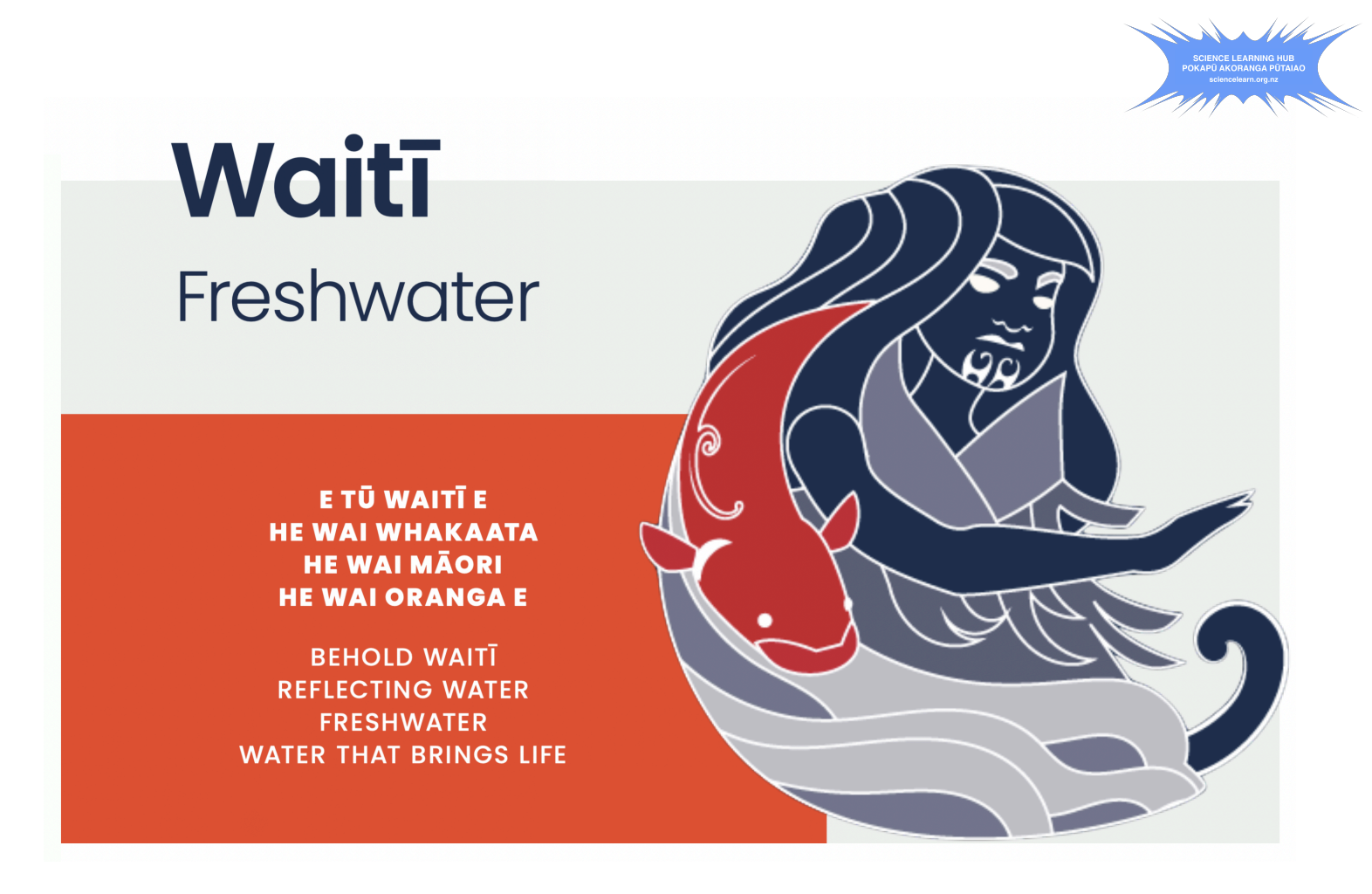
Waiti and Waita

 Waitī & Waitā

Waitī is a whetū in the Matariki cluster. It is the star connected to freshwater: springs, streams, rivers, lakes, wetlands and the plants and animals that live in freshwater.

Waitā is a whetū in the Matariki cluster. It is the star connected with the oceans and marine conditions and represents the many types of food gathered from the sea.


Friday, 11 August 2023

Play dough, Robots, and Sharing the Joy of Creativity

Learning all about letter Rr

Learning the alphabet can be a lot of fun, especially when you're exploring a cool letter like 'R.' We recently had a great time learning about 'R' at GTS, and here's how we did it! 

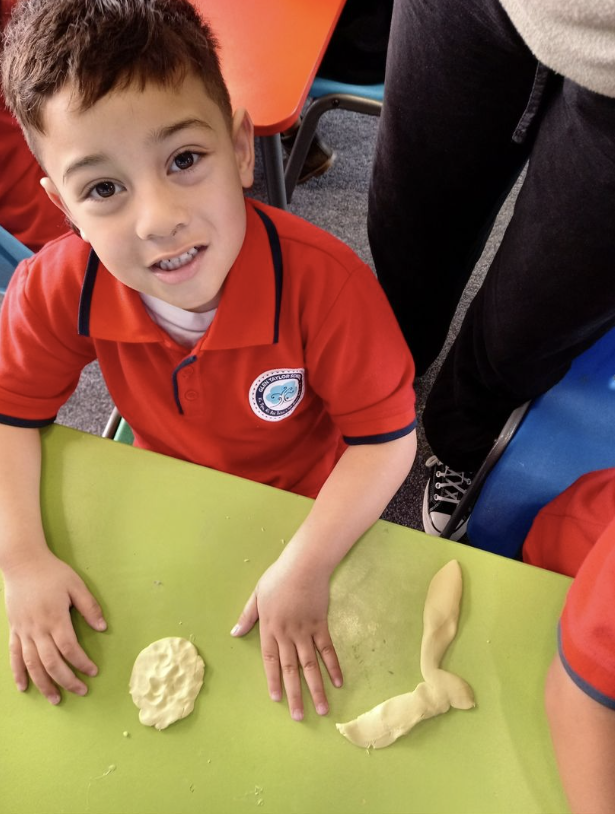
To begin our 'R' learning journey, we incorporated a hands-on approach using play dough. Play dough is not only a fantastic sensory experience but also a fantastic tool for reinforcing the shape and formation of letters. We rolled, moulded, and manipulated the play dough to create the letter 'R.' 
 This helped us understand what 'R' looks like and how to write it.


But we didn't stop there! We wanted to be super creative, so we decided to make robots using recycled stuff like old cardboard boxes, bottle caps, and a variety of other recycled materials. It was like a big arts and crafts project. Each robot we made had something special about it.

After we finished making our unique robots, we wanted to show them off to everyone in our school. So, we had a little walking exhibition where we displayed our cool robots to each class. It was awesome to see how different and creative our robots turned out to be.

Perhaps the most heartwarming part of this journey was the involvement of our senior students.  Their genuine interest in the projects, the thoughtful questions they asked, and the encouragement they provided made the little ones feel like amazing artists. 

In the end, learning 'R' was not just about reading and writing. It was about having fun with play dough, using our imaginations to create robots, and sharing our creativity with others. Learning can be exciting when we get to be creative and share with friends. The letter 'R' is now our favourite letter!


Wednesday, 2 August 2023

Exploring the Stars: Matariki-inspired Star Patterns

 Stars have always fascinated humans with their twinkling beauty in the night sky. For generations, people from various cultures have looked up to the stars for guidance, inspiration, and storytelling. In New Zealand, the Māori culture celebrates a special cluster of stars known as Matariki, which signals the start of a new year and the winter season. 

During Term 3 will explore the Matariki star cluster, its cultural significance, and how we can use it as a foundation for teaching and learning. We'll also share a fun activity of creating star patterns and extending them further, allowing young minds to engage with math and cultural awareness.

For the Māori people, Matariki holds immense cultural significance. It's a time for reflection, celebration, and connecting with the land and community. During this time, families come together, share stories, sing songs, and learn about their ancestors and traditions.

Matariki offers a rich platform enabling young learners to explore multiple facets of learning.

Mathematical Thinking: Creating star patterns involves spatial reasoning and geometry. Students can experiment with shapes, sizes, and angles while developing problem-solving skills.

Creativity: Students can express their creativity by designing unique star patterns, enhancing their fine motor skills and imagination.

Creating Matariki-inspired Star Patterns

Materials Needed: Geometrical shapes

While they work on their star patterns, discuss the shapes they are creating (e.g., triangles, squares, pentagons) and how these shapes relate to the stars in the night sky. How can you extend the pattern further?

Finally, students share their star patterns, talk about what they learned.

As educators and parents, let's continue to inspire our youngest learners to reach for the stars, both in the sky and in their quest for knowledge and understanding. Happy Matariki!


This little learner struggled with the more structured learning environment, he often does not participate in learning activities. Celebration time!!! He participated and did an amazing job!!
So proud of him - just goes to show the importance of hands-on activities and learning through play is.


Monday, 17 July 2023

Matariki overview Learning Slides

Make Matariki shine | CareforKids.co.nz
Introduction

Matariki, the Māori New Year, is a significant cultural celebration in New Zealand. It is a time to reflect, celebrate, and learn about the stars, nature, and Māori traditions. Incorporating Matariki into the curriculum for young learners, specifically Year 0-2 students, can be an enriching experience. In this blog post, we will explore how Matariki learning slides can be used to engaging "Learn, Create, Share" activities.

Why Matariki for Year 0-2 Students?

Matariki offers a unique opportunity to connect children with the natural world and Māori culture. Year 0-2 students are at a crucial developmental stage where they are curious, receptive to new concepts, and eager to engage in hands-on learning experiences. By integrating Matariki into their curriculum, we can foster a love for learning, build cultural understanding, and develop essential skills.

Matariki Learning Slides

Matariki learning slides are digital or printable resources that can be tailored to the specific needs of Year 0-2 students. These slides can include information about the Matariki star cluster.


Wednesday, 28 June 2023

Celebration time with our Science Showcase

At GTS, we're all about making learning exciting and hands-on. This term our focus during LEARN CREATE SHARE was Science, our students got to choose what they wanted to learn about in: (material world)stuff in our world, (physical world)things that move, or living things. What they did with their choices was nothing short of amazing!

We decided to show off our students' hard work with a Science Showcase, and guess what? Loads of whanau came.


It was a big surprise for us, but it shows just how much they care about their child's learning.

Living world - looking at invertebrates like jellyfish - they have no bones!!


Volcano on a lemon??

Material world - it's all about mixing stuff together and see what happens - the WHY?


Our students were like little scientists, showing off what they'd learned with big smiles on their faces. Everyone was so proud.

Physical world - making things move and how can we make it faster or slower. Newton's cradle - this was a very big challenge,  but we persevered and got it in the end!! A few burned fingers from the hot glue gun, but the outcome was mazing!!


Magnet fun - even a bit of magic!!

Doing art with magnets - who would have thought!?

Simple machines - making a ramp for our car we created that can really move!!


Floating - scenario was set. We have a ship and it crashed into some rocks. The ship sank. The people are safe on the island but now we have to make a boat that will float to get the people safely home - what are we going to do. What makes a boat float? It's all about the shape and the load!!!

What made this showcase special was how much everyone loved it. Whanau couldn't stop saying nice things about our teachers and students. We believe in teaching in a fun way that helps all learners. We want to make sure learning is exciting for everyone.


Let's look at our bones - we made a spine!! 

Our hands can move - each little bit of our fingers moved just like a real hand!


We don't do science like you might think. No boring lectures here! Our students get their hands dirty, because learning is messy, and have a blast doing it. They learned about cool stuff like chemicals mixing together, how things move and the wonders of nature. Every moment was a chance to learn and have fun. We are all about failures too - if we try to create and it doesn't work the first time, we can reflect and make it better.

Our students were so excited and curious. They looked like future scientists, engineers, and nature lovers. But most importantly, they looked like children who love learning and exploring.

In a world that can sometimes be confusing, it's great to know our children are getting ready to take on any challenge. The Science Showcase wasn't just about what they learned this term. It was about showing their incredible potential.

We're excited for the future and can't wait to see where their curiosity takes them. Thanks to all the whanau for their support, and congrats to our fantastic students. Together, we're making the future a little brighter and a lot more curious!


Monday, 5 June 2023

Manaiakalani Create Workshop 2 June 2023

We recently conducted a creative workshop led by our incredible Team Koru, and the experience was truly rewarding. 
The positive feedback we received from the participants was overwhelming and inspiring. They appreciated our innovative approach and unique perspective, which allowed them to explore their creative potential in a supportive environment. 
Many participants were intrigued by our practice and asked insightful questions about our methods, techniques, and the philosophy behind our work. It was gratifying to witness how our hard work and collaborative efforts were clearly evident to those observing from the outside. 
Knowing that our dedication and passion resonated with others reaffirmed our belief in the power of creativity and reinforced our commitment to fostering a vibrant and inclusive creative community.

Please have a look at our amazing slides.

Sunday, 28 May 2023

4 Strategies for Sparking Critical Thinking in Young Students - EDUTOPIA 12th May 2023


Fostering investigative conversations in a junior class can be challenging but incredibly beneficial for promoting critical thinking. Let's look at some strategies:

Encourage Friendly Debate: 
Providing open-ended prompts that engage students' interest and allow them to take a stance can spark organic engagement and critical thinking. By encouraging students to share their opinions and participate in debates, they develop their ability to articulate their thoughts, provide evidence, and respectfully engage with peers. The math talk questions and picture-based discussions are great examples of how to generate interesting conversations.


Put Your Students in the Question: 
Centering students' viewpoints in a question or discussion prompt fosters deeper thinking. By personalising the topic, students are encouraged to analyse, reflect, and make connections to their own experiences. This approach enhances engagement and allows for more meaningful exploration of the subject.


Open Several Doors: 
Some students may be hesitant to participate in classroom discussions. Providing opportunities for them to express their opinions, such as using hand signals or participation cards, ensures that everyone's voice is heard. These strategies create a supportive environment where all students can contribute comfortably and encourage the conversation to flow.


Provide Discussion Sentence Starters: 
Young students often struggle to connect their contributions to their peers' ideas. Introducing sentence starters and modelling how to build upon others' thoughts helps students engage in more meaningful and connected conversations. Celebrating their correct usage of sentence stems reinforces these behaviours and encourages further growth.

Here are a few more suggestions to foster investigative conversations and critical thinking in the junior class:

Use Scaffolding Techniques: 
Provide scaffolds such as graphic organisers, visual aids, or sentence frames to support students' thinking and expression. These tools help structure their thoughts and encourage them to delve deeper into the topic.


Incorporate Real-Life Examples and Experiences: 
Relate the topic of discussion to real-life situations, experiences, or current events that are relevant and relatable to the students. This connection enhances their understanding, encourages critical thinking, and promotes engagement in the conversation.


Encourage Active Listening and Reflection: 
Emphasise the importance of active listening during discussions. Encourage students to listen attentively to their peers, ask clarifying questions, and reflect on what is being shared. This practice enhances their understanding, promotes empathy, and supports the development of critical thinking skills.


Create a Supportive Classroom Culture: 
Foster a safe and inclusive classroom environment where students feel comfortable expressing their thoughts, asking questions, and challenging ideas. Encourage mutual respect, active participation, and valuing diverse perspectives.

By implementing these strategies and providing appropriate support, teachers can create a classroom culture that nurtures investigative conversations, critical thinking, and deep learning among their junior students.

About me

KPMG Hui – Preparing to Share My MIT Journey

It was great to be back at KPMG today and to catch up with the MIT crew. A big thank you to Justine and KPMG for once again welcoming us int...